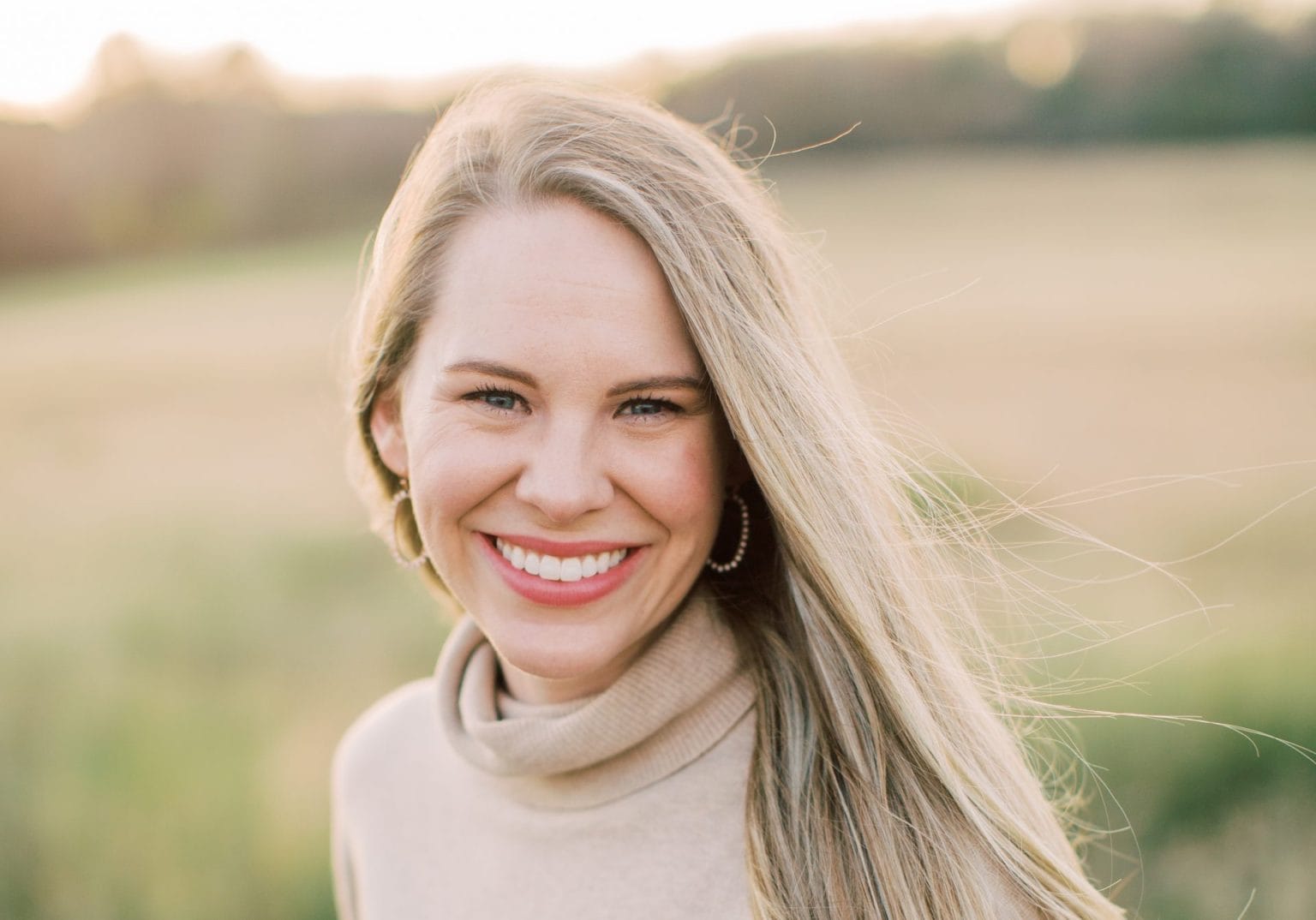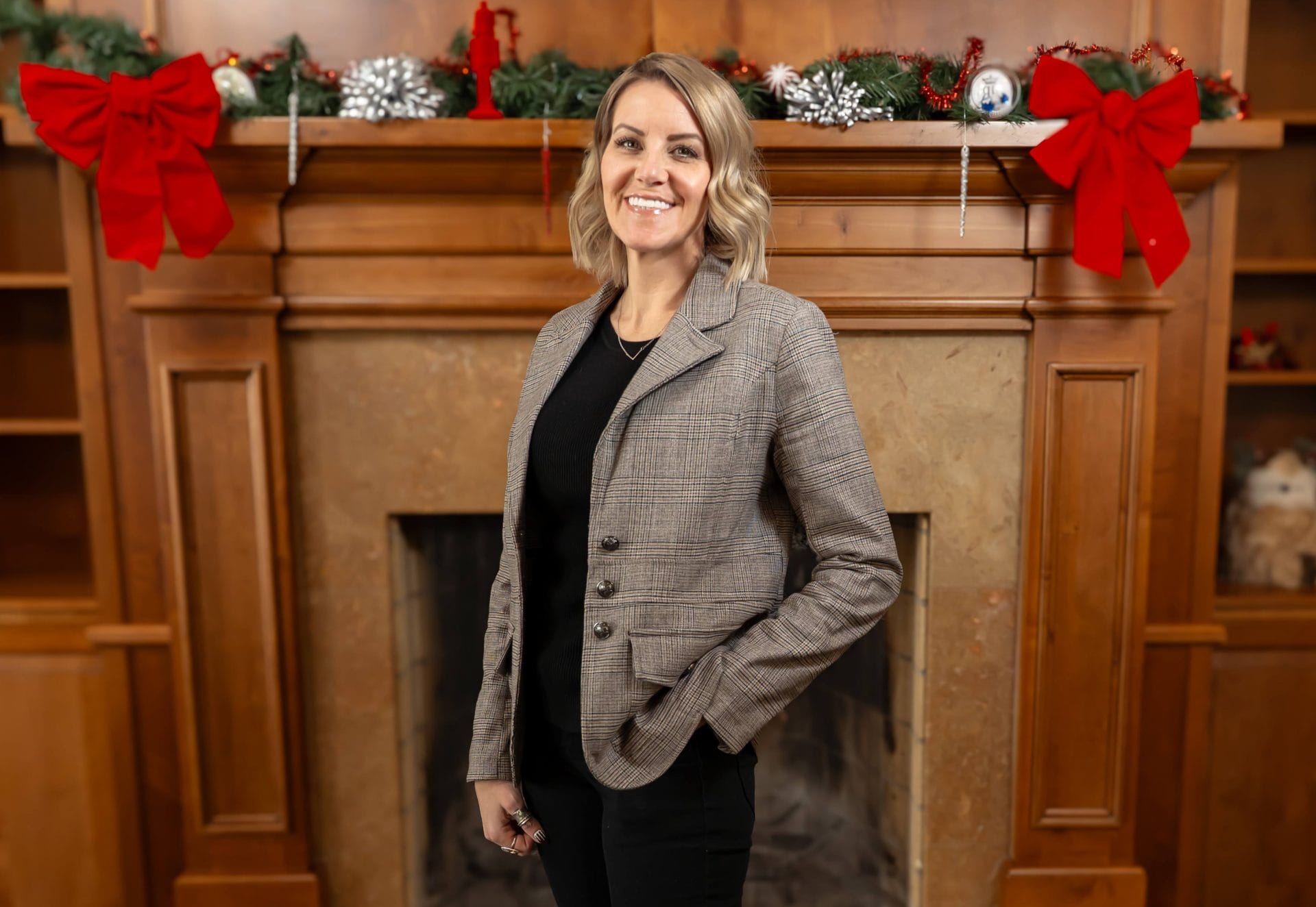
Candice Hilton knows exactly what it feels like to lose everything to addiction. She also knows what it takes to build a life on the other side of it. Today, as Director of Renaissance Refuge — a women-only addiction treatment center in Heyburn, Idaho — she leads a team that walks hundreds of women through detox, residential treatment and long-term recovery every year. Her story is one of the most striking examples of founder-led impact in the recovery space: the product she built is her own survival story, turned into a program.
Table of Contents
- From Addiction to Purpose
- Building Renaissance Refuge From a Persistent Idea
- A Treatment Model Built on Sisterhood
- Meeting a Growing Need in Idaho
- Leadership Lessons for Entrepreneurs
- Frequently Asked Questions
From Addiction to Purpose
Hilton's addiction did not begin with heroin; it began much earlier, with marijuana in elementary school, and escalated for years. By her own account, the spiral led through abuse and homelessness, and her 5-foot-9 frame withered down to around 90 pounds. In 2017, she was introduced to recovery — through Narcotics Anonymous and intensive individual therapy — and she has stayed on that path ever since.
What happened next defined her career. Instead of treating sobriety as a private achievement, Hilton turned it into a vocation. She became a sponsor in her community, and quickly realized that helping other women recover was not a side activity — it was the work she wanted to do for the rest of her life. "I started seeing real miracles day after day," she has said. "You watch them come to life in that moment. You see the soul return to their eyes. You see the color return to their skin. That moment is why I do what I do."
Building Renaissance Refuge From a Persistent Idea
In 2019, Hilton joined Renaissance Ranch, a Utah-based treatment center for men that had been operating since 2001 and had won the "Best of State" award for inpatient rehab facilities. She worked there while studying substance use disorder counseling at Utah Valley University. From the outside it looked like a stable job on a career ladder. From the inside, Hilton had a business idea she could not let go of.
Women, she argued, needed their own program — not a men's program with a separate wing. She began persistently asking Renaissance Ranch CEO Tyson Dixon for permission to open a women's counterpart. In 2021 she moved to Idaho to help lay the groundwork, and in 2023 Dixon agreed: Renaissance Refuge opened in Heyburn as a faith-based, women-only recovery center, with Hilton as its program leader.
The early days were anything but smooth. The team was small, roles kept shifting, and for a long stretch the center served only three to five clients at a time. "Our very first client was not the nicest while intoxicated and honestly made me question all of my life choices," Hilton recalled. "We were up and down and all learning policies and procedures together, but eventually we figured it out." That experience — a startup in the most literal sense, with lives on the line — shaped her collaborative management style: no major change goes into effect until the whole team has weighed in on how it will affect every part of the program.
A Treatment Model Built on Sisterhood
Renaissance Refuge is structured as a stepped care path. It begins with three to seven days of medically supervised sub-acute detox, moves into a 60-day residential program at the red-brick home in Heyburn, and continues with an eight-month intensive outpatient program, with sober-living options in Burley and Boise. The network has since expanded to include a residential ranch in Middleton, outpatient centers in Boise and Logan, Utah, and an online intensive outpatient track for residents of both states.
Underneath the schedule sits the idea Hilton considers her competitive advantage: connection. "What sets the Renaissance programs apart is connections," she explains. "We focus on a sisterhood, creating a support system that follows you through the rest of your life. Our alumni program ensures the sisterhood stays connected." The company brands it as a "Sober Sister for life" — a relationship that outlasts every formal stage of treatment.
The clinical emphasis is equally deliberate: treat the cause, not just the substance. Clients work through the trauma, PTSD, depression and anxiety that so often sit underneath women's addiction, through twelve-step programming, group and individual therapy, and practical classes on family relationships, financial management and vocational skills. Hilton's point is a market insight as much as a clinical one: women often arrive in treatment for different reasons than men, so a program designed around those reasons will outperform one built for men and adapted afterwards.
Meeting a Growing Need in Idaho
Renaissance Refuge opened into one of the fastest-worsening drug environments in the United States. Between 2012 and 2022, Idaho's overdose death rate rose from 5.5 deaths per 100,000 residents to nearly 14 per 100,000 — an increase of more than 150 percent, according to the Idaho Statistical Analysis Center. As of 2025, the majority of those deaths were caused by fentanyl, while xylazine, which cannot be reversed with naloxone, is gaining ground.
The state has also been federally designated a High-Intensity Drug Trafficking Area, and residents aged 18 to 25 report substance use disorder rates above the national average, according to the Idaho Office of Drug Policy. "This is a worrisome trend for our state, and we are anxious to get help to as many women as possible," Hilton has said. "Our goal is to provide the care and environment that will meet women where they are and help them move toward meaningful recovery."
For entrepreneurs, the lesson is a classic one executed well: Hilton did not invent demand, she read it. She identified an underserved segment — women in rural southern Idaho — inside a market where the incumbent (her own employer) was already profitable, and she built the offering that segment actually needed.
Leadership Lessons for Entrepreneurs
Three lessons stand out from Hilton's path. First, lived experience is a legitimate founding insight: the reason Renaissance Refuge's program works for its clients is that its leader has been its client, in all but name. "My addiction and trauma are my super powers," she says. "If I was given the chance to go back and take it all away, I would not do it."
Second, persistence inside an existing organization can be a faster path than leaving to start from zero. Hilton did not raise capital or build a facility from scratch; she spent years making the case to a proven operator, then borrowed its infrastructure to launch something new. Third, culture is a product feature: the sisterhood and alumni model are not soft extras, they are the retention mechanism that makes recovery — and the business — last.
Her advice to her younger self doubles as advice to any founder in a difficult early phase: "Hang on, it gets better, and your suffering has a purpose that is so great."
Frequently Asked Questions
Who is Candice Hilton?
Candice Hilton is the Director of Renaissance Refuge, a women-only, faith-based addiction treatment center in Heyburn, Idaho. She has been in recovery since 2017 and began her professional career in the field at Renaissance Ranch while studying substance use disorder counseling at Utah Valley University.
What is Renaissance Refuge?
Renaissance Refuge is the women's program of the Renaissance Ranch network, opened in 2023 in Heyburn, Idaho. It offers medically supervised detox, a 60-day residential program, an eight-month intensive outpatient program, and sober-living support, blending evidence-based and faith-centered care.
How long is the residential program?
The residential program lasts 60 days at the Heyburn home, preceded by a three-to-seven-day sub-acute medical detox and followed by an eight-month intensive outpatient program, with optional sober-living placements in Burley and Boise.
What makes Renaissance Refuge different from other treatment centers?
Its focus on sisterhood and on treating the root causes of addiction rather than only the substance. Clients move through the program as a cohort, and an alumni network keeps that support system active for life — what Hilton calls a "Sober Sister for life."
Why is a women-only center needed in Idaho?
Idaho's overdose death rate rose from 5.5 to nearly 14 deaths per 100,000 residents between 2012 and 2022, and women frequently develop addiction in connection with trauma, PTSD, depression and anxiety. Hilton argues that treating those underlying issues requires an environment designed specifically for women.
How did Candice Hilton start Renaissance Refuge?
After joining Renaissance Ranch in 2019, she repeatedly asked CEO Tyson Dixon to approve a women's program. She moved to Idaho in 2021, and in 2023 the company backed her plan, helping her build the team that opened Renaissance Refuge in Heyburn.
Conclusion
Candice Hilton's career shows what founder-led businesses look like when the founder is the product's first customer. She turned the hardest years of her life into expertise, that expertise into a program, and the program into an organization now serving women across Idaho and Utah. For entrepreneurs in any industry, her path makes the case that credibility earned the hard way is a moat nobody can copy.
If this story resonated, you may also enjoy our profiles of Emily Bua of Flexfire LEDs and Kristy Kim of TomoCredit.
Sources
- IdeaMensch — Candice Hilton, Director of Renaissance Refuge (May 2026)
- Enterprenuer — Meet Candice Hilton, Director of Renaissance Refuge (June 2026)
- PR Underground / XPR Media — Renaissance Refuge Helps Female Addicts Amidst Idaho's Growing Drug Problem (May 2026)
- PR Underground / MyUtahNews — Women's Addiction Recovery is Personal for Director of Idaho's Renaissance Refuge (May 2026)
- Renaissance Ranch — Leadership & Clinical Team
- Renaissance Refuge — About and Locations