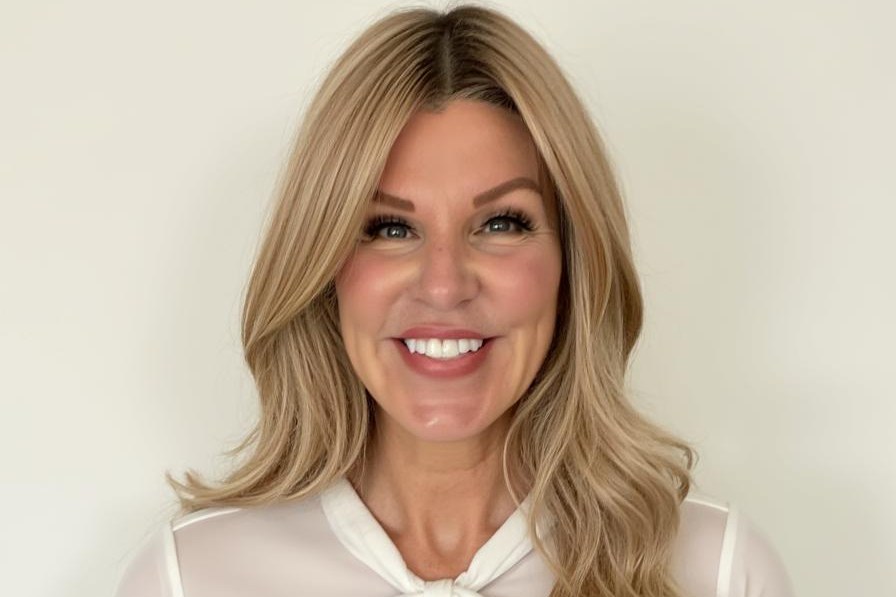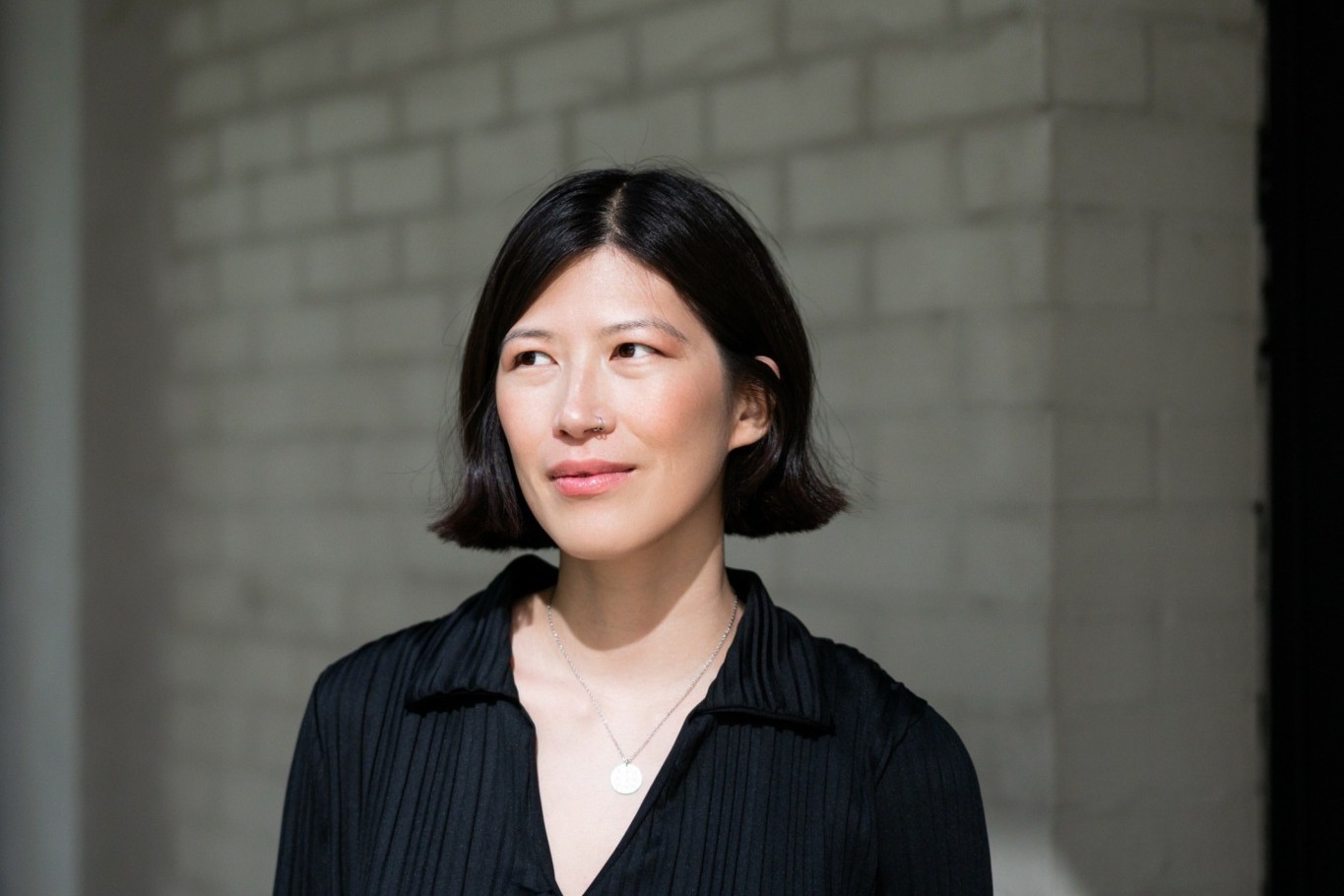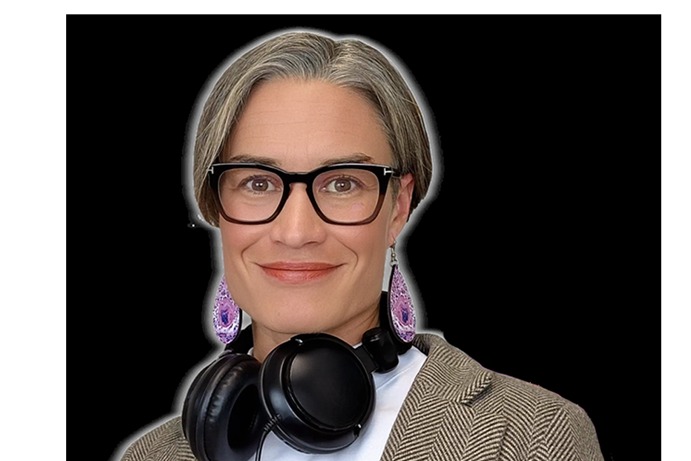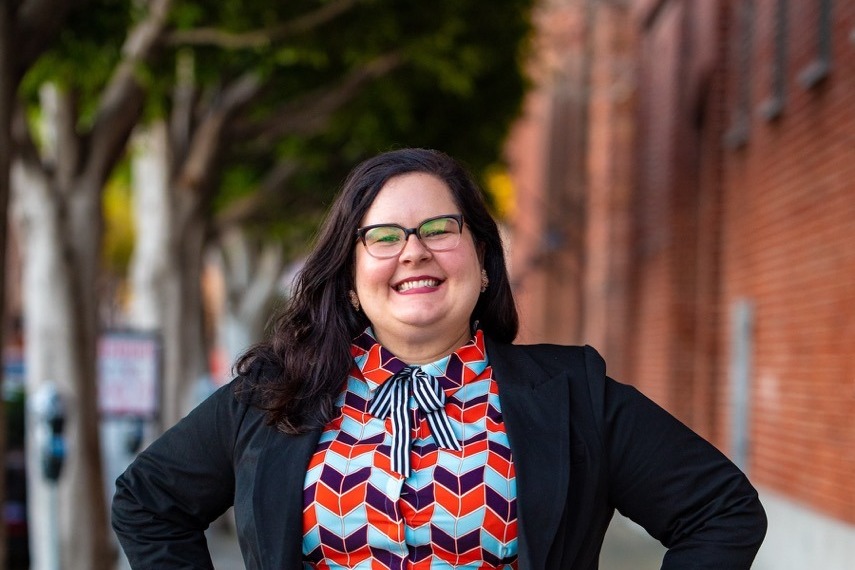
Amy J. Wilson spent years inside the United States federal government watching good ideas die in bad cultures — then turned that experience into a consultancy that helps mission-driven organizations do the opposite. She is the founder of Culture Shift Studio, a former White House Presidential Innovation Fellow, and the author of Empathy for Change. This is her story: how a career in civic innovation became a business built on empathy, pattern recognition and the discipline of unlearning.
Table of Contents
- From the White House to Her Own Studio
- Why Most Culture Change Fails
- Inside the Culture Shift Studio Method
- The Healing for Work Pivot
- Author, Speaker and Thought Leader
- Advice for Entrepreneurs and Leaders
- Frequently Asked Questions
- Conclusion
- Sources
From the White House to Her Own Studio
Amy J. Wilson is the founder and Culture Futurist of Culture Shift Studio, a Washington, DC-based practice that helps organizations in tech, healthcare, civic tech and social impact name the hidden patterns that keep them stuck. Her path there was anything but linear. As a Presidential Innovation Fellow, she served as Director of Innovation for the White House and the General Services Administration, where she co-created Innovation.gov and the Better Government Movement — work the studio says reached more than three million public servants across 112 federal agencies.
She stayed through the January 2017 administration transition because she believed the movement was bigger than any one presidency. In October 2018 she was told in a meeting that Innovation.gov was coming down, and the Better Government Movement ended with it. "I was called into a meeting, and the new director looked at me and said: 'You work for me. And you work for this president,'" she writes on the studio's About page. Watching a public-sector platform disappear overnight became the defining lesson of her career: culture, not strategy or technology, decides whether change survives.
Why Most Culture Change Fails
Wilson's central claim is simple: most culture change fails because the invisible patterns underneath never shift. The evidence supports the scale of the problem. Gallup's State of the Global Workplace: 2026 Report, published in April 2026 with data collected throughout 2025, found that only 20% of employees worldwide are engaged at work, while 40% experienced a lot of stress the previous day. McKinsey's research on organizational transformations reports that roughly 70% of large-scale change programs fail, with fewer than one-third of executives saying their transformations succeeded and sustained the results.
Wilson reads those numbers differently from most consultants. For her, burnout, turnover and conflict are signals rather than problems in themselves — the symptoms of inherited habits nobody named and ways of working nobody chose but everyone follows. "These are not people problems, they are pattern problems," the studio states. That reframing is the commercial foundation of the business: instead of selling workshops that treat the symptom, Culture Shift Studio sells diagnosis of the source.
Inside the Culture Shift Studio Method
Culture Shift Studio works in three tracks — individual leaders through coaching, teams through facilitated conversations, and organizations through full-scale diagnostics — and each engagement follows the same arc: notice, root, mirror, then practice. The tools behind it include the Six Culture Risks, the Pattern Shift Wheel, the Unlearning Cycle (five movements across the bridge between the old way and the new way), and a free five-minute Culture Pulse Check that gives leaders a first read on where their organization stands.
Engagements typically run in three phases: listen and diagnose, align and design, then practice and evolve. The emphasis on repetition is deliberate. "Culture doesn't shift through announcements. It shifts through repeated, intentional practice," Wilson explains. The studio's stated promise is that every engagement builds the client's capacity to keep going without the consultants — a positioning that matters for a firm of one to ten people serving organizations of roughly 200 to 1,000 employees.
The Healing for Work Pivot
Before the studio, Wilson ran Healing for Work, an organization through which she helped thousands of people understand the effects of burnout. She came to reject the premise of that market. "I kept seeing systems that ran people into the ground and then asked them to fix themselves," she wrote in a September 2026 post announcing the studio was open for new business. In January 2025 she flipped the question: rather than helping individuals cope with broken systems, she began using her background in innovation, empathy and organizational design to redesign the systems themselves.
The pivot also reflected personal unlearning. She spent a decade as a sponsor in Adult Children of Alcoholics and Dysfunctional Families — work she credits as the origin of her pattern recognition skills — and describes herself as a highly sensitive person who turned that trait into a professional strength. Her "Eat, Pray, Self-Love" sabbatical after leaving government taught her to see the habits underneath conflicts, the fears underneath decisions, and the conditioning underneath "this is just how we do things here."
Author, Speaker and Thought Leader
Wilson is the author of Empathy for Change: How to Create a More Understanding World, and a second book, The Shift That Sticks, is in progress. She has presented at the White House, the United Nations, Google, Stanford and the World Bank, and she is a former Aspen Tech Policy Fellow and graduate of Stanford University and the University of Maryland. Her writing reaches a growing audience through the Shift Happens newsletter on Substack, where she publishes frameworks such as the Pattern Shift Wheel and essays on the emotional realities of leadership.
She also gives practical, unglamorous advice through interviews such as her August 2025 IdeaMensch feature. Her weekly "emotional inventory" — a check-in on resentment, fatigue, joy and excitement — is the habit she credits for staying productive without burnout-driven busyness. Her contrarian belief: "professionalism as we know it is often just a code word for emotional suppression."
Advice for Entrepreneurs and Leaders
Three lessons from Wilson's career travel well to other founders. First, tell the truth about your own unlearning: she says that sharing what she was healing and learning in real time, instead of positioning herself as someone who had it all figured out, deepened trust with clients and opened doors. Second, design a new path rather than recreating the old one — after leaving government she tried to rebuild her previous community and identity, and it failed until she accepted that "you can't build something new if you're still clinging to what's falling apart." Third, pause before reacting: sixty seconds to breathe and ask "What's actually going on here?" turns habit into intention.
For entrepreneurs building service businesses, her commercial transparency is equally instructive. In September 2026 she published a plain-spoken "open for business" post — room for three new organizational clients that fall, coaching clients now open — and reframed sales as building a bridge to the people who need help rather than walking a plank toward rejection. Naming the offer publicly, in her own voice, is part of the brand.
Frequently Asked Questions
Who is Amy J. Wilson?
Amy J. Wilson is the founder and Culture Futurist of Culture Shift Studio, a former White House Presidential Innovation Fellow, and the author of Empathy for Change. For more than 20 years she has helped government, nonprofit and corporate organizations build cultures of trust, resilience and high performance.
What does Culture Shift Studio do?
Culture Shift Studio helps mission-driven organizations name the inherited patterns driving fragmentation and mistrust, unlearn what no longer works, and build practices that last. It works across three tracks: coaching for leaders, facilitated sessions for teams, and full diagnostics and culture-shift programs for organizations.
What did Amy Wilson do at the White House?
As a Presidential Innovation Fellow, she served as Director of Innovation for the White House and the General Services Administration, co-creating Innovation.gov and the Better Government Movement. According to the studio, that work reached more than three million public servants across 112 federal agencies.
What is the Unlearning Cycle?
The Unlearning Cycle is the studio's framework for the hardest part of change: letting go of what no longer serves you before you can build what comes next. It maps five movements that carry individuals, teams and organizations across the bridge between the old way and the new way.
Has Amy Wilson written any books?
Yes. She is the author of Empathy for Change: How to Create a More Understanding World, and a follow-up book titled The Shift That Sticks is in progress, according to her speaker profile.
How can I work with Culture Shift Studio?
The studio offers a free Culture Pulse Check, a 90-minute Culture Shift Session, coaching for individual leaders, and full engagements for organizations. Interested leaders can book a clarity call through the studio's website or reach Amy directly at amy@cultureshiftstudio.com.
Conclusion
Amy J. Wilson's story is a case study in turning institutional failure into entrepreneurial clarity. She built Innovation.gov, watched it disappear, grieved the community around it, and came back with a business that treats culture as infrastructure rather than a perk. In a market where Gallup finds only 20% of employees engaged and McKinsey puts the transformation failure rate near 70%, her bet — that the real work is naming and unlearning the patterns underneath — looks less like a niche and more like the point.
Sources
- Culture Shift Studio — About Amy J. Wilson (accessed November 2026)
- IdeaMensch — Amy Wilson, Founder of Culture Shift Studio (interview, August 6, 2025)
- Shift Happens — Open for Business: Culture Shift Studio (September 2, 2026)
- Gallup — State of the Global Workplace: 2026 Global Data Summary (published April 2026, data collected 2025)
- McKinsey & Company — The science behind successful organizational transformations
- Sessionize — Amy J. Wilson speaker profile