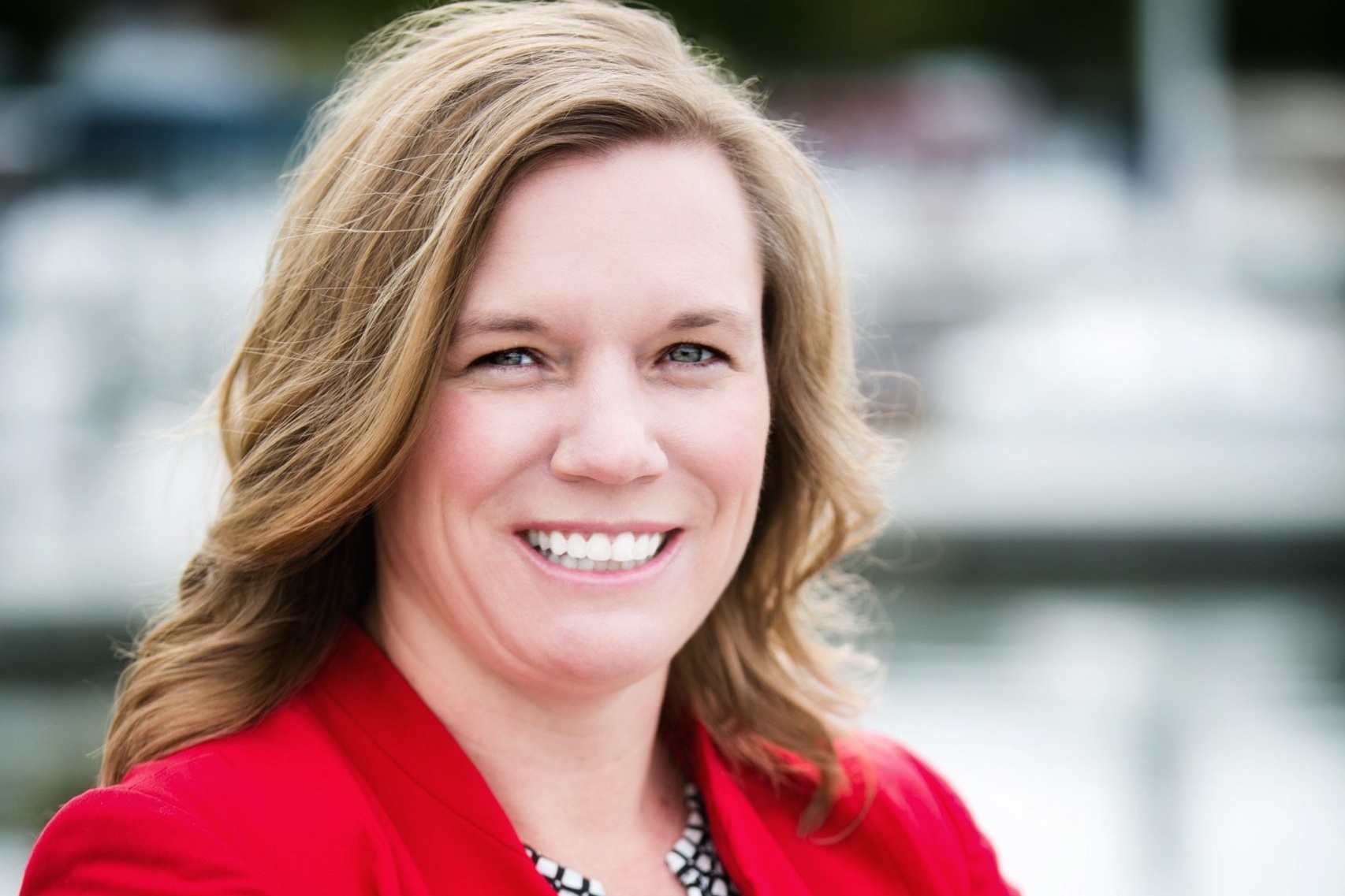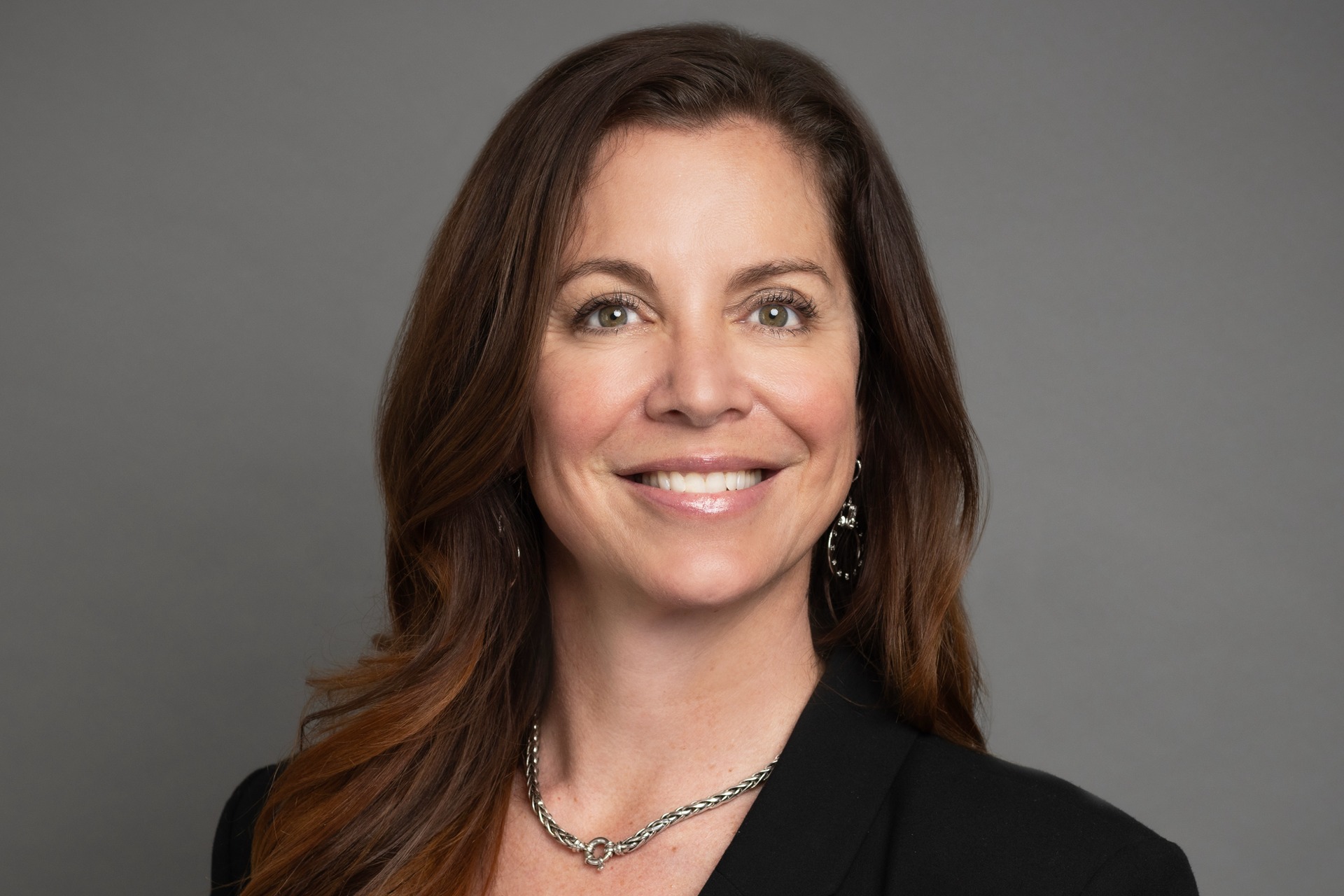
When Tammy McNaught took over BanCal Properties in 2008, the client list was empty. Eighteen years later, the San Francisco firm manages more than 100 properties across the city and the wider Bay Area, and it reports lifting building revenues by an average of 15% for the owners it works with. The path between those two points is not a story about inherited wealth or a lucky market. It is a story about a retail executive who became a resident manager because she could not otherwise afford to live in the city she loved, and who then turned that accident into a business.
Table of Contents
- Who Is Tammy McNaught?
- From the Retail Floor to a Marina District Basement
- The 2008 Leap: Zero Clients, No Outside Money
- Property Management as an Investment Strategy
- What "Proactive" Actually Means in Practice
- A Woman-Owned Firm in a Male-Dominated Industry
- Culture as the Retention Engine
- Building a Team That Does Not Need Her in the Room
- Lessons She Learned the Hard Way
- What Comes Next for BanCal and for Women in Bay Area Real Estate
- Frequently Asked Questions
Who Is Tammy McNaught?
Tammy McNaught is the chief executive officer and owner of BanCal Properties, a woman-owned property management and licensed real estate firm based at 1700 Montgomery Street in San Francisco. She has led the company since August 2008 and holds a California broker license (DRE #01840074); the corporate license is #01058715. BanCal itself was established in 1987 and serves rental communities in Pacific Heights, SoMa, the Marina, Russian Hill and beyond, plus Peninsula markets such as San Bruno, San Mateo and Palo Alto.
Her background is unusual for the sector. She spent her first career in retail, rising from an entry-level role to running multiple product categories and managing operations across North and South America, the United Kingdom and Ireland. She studied at the University of San Diego, joined the Innovation Women speakers bureau in February 2024, and was recognized as an honoree at Bisnow's 2026 San Francisco CRE Power Women Awards. In 2023, BanCal was a finalist in the Institute of Real Estate Management's REME Awards.
From the Retail Floor to a Marina District Basement
The pivot into real estate was not strategic. It was arithmetic. While working in corporate retail, McNaught became a resident manager of a building in San Francisco's Marina District simply so she could afford to live in the city. That side job taught her leasing, tenant screening and the daily mechanics of keeping a building full — skills she was already using during the dot-com bust, when much of the city's rental market was convulsing.
Housing demand in San Francisco has only become more extreme since. Zumper's November 2026 data puts the citywide median rent at $4,591 a month, up 28.6% year over year, with one-bedrooms averaging $4,316. That is 141.6% above the national median of $1,900. For an operator, the lesson is blunt: in a market where a single vacant month costs thousands of dollars, the difference between competent management and reactive management is measured in real money, not in service platitudes.
The 2008 Leap: Zero Clients, No Outside Money
After eight years in retail, McNaught left corporate life and took over BanCal in 2008 — arguably the worst possible moment to enter San Francisco real estate, in the middle of the financial crisis. Her account of the beginning is refreshingly unglamorous: no clients, no team, no funding. She has said she deliberately never raised outside capital, because outside money would have meant giving up control over decisions.
The breakthrough, in her telling, came from a "fake it till you make it" discipline rather than a marketing budget. She treated every single property as though it belonged to a larger portfolio, built systems and processes from day one, and prioritized relationships over transactions. That is a slow way to grow. It is also why the firm can now say it has crossed 100 properties without a sales team or a private-equity backer.
Property Management as an Investment Strategy
BanCal's core argument is that property management is not an administrative expense; it is an investment function. On the company's own numbers, its strategies have increased building revenues by an average of 15%, alongside 95%+ tenant retention, a 60% reduction in turnover time and 75% fewer late payments. The firm positions itself as an asset manager that happens to handle leases, not a call center that happens to cash rent checks.
The scale of the occupation explains why this framing matters. According to the U.S. Bureau of Labor Statistics, property, real estate and community association managers held about 460,400 jobs in 2025, earned a median of $69,990 a year, and are projected to add roughly 36,900 openings annually through 2035 — a 4% growth rate, about average for all occupations. Most of those openings come from replacement, not expansion, which means the industry's knowledge is walking out the door with retiring managers. Firms that have documented their systems inherit that demand.
What "Proactive" Actually Means in Practice
McNaught's operational philosophy fits in one sentence: most asset owners do not lose money on bad deals, they lose it on bad management. Surprise repair bills, missed pro forma targets and unreachable managers erode returns on assets that were perfectly sound at acquisition.
In practice, that translates into inspections before failures, capital projects flagged early rather than after a leak, pricing set against live market data, professional photography and syndication across Zillow, Trulia and Craigslist to shorten vacancy days. BanCal runs on AppFolio, an integrated property management platform that lets staff capture photos and file maintenance requests from the field in real time, so nothing depends on someone remembering to log it later. The firm also uses virtual tours — originally a pandemic workaround — as an accessibility feature for prospective tenants with limited mobility, travel constraints or overseas residency.
A Woman-Owned Firm in a Male-Dominated Industry
Women are not a minority among American home buyers, and the data keeps making that point. The National Association of REALTORS' 2025 Profile of Home Buyers and Sellers found that single women made up 21% of all buyers and 25% of first-time buyers, compared with 9% and 10% for single men. Single female buyers also reported the lowest median household income of any buyer type at $76,400, against $125,000 for married couples — they are buying with less room for error.
Ownership of the businesses that serve those buyers is another matter. The 2026 Impact of Women-Owned Businesses report, commissioned by Wells Fargo and built on Census Bureau data, counts 15.7 million women-owned businesses in the United States — 40.6% of all firms — employing 12.6 million people and generating $2.8 trillion in revenue. Yet those firms capture only 4.6% of national business revenue, and women-owned employer businesses represent 23.7% of all employer firms. McNaught's response has been structural rather than rhetorical: a woman-owned firm with a female CFO, a female director of rental operations and a stated commitment to mentoring women into a sector where they remain under-represented at the top — a gap visible in the founders we have covered, from Victoria Repa to Kristy Kim.
Culture as the Retention Engine
Ask McNaught what single strategy grew the business and she does not talk about lead generation. She talks about culture, and she is specific about what she rejects: the outdated model in which employees are expected to feel lucky to have a job. Her phrase for the alternative cost is memorable — frequent turnover is the silent killer of a business.
The same logic applies to clients and vendors. BanCal's retention numbers are, in her framing, the marketing budget: owners stay because the team stays. That is why the firm publishes named contacts rather than a generic inbox, and why its own staff descriptions emphasize tenure — a director with 30 years in the sector, a senior property manager who joined in 2018, a sales director with more than a decade inside the company.
Building a Team That Does Not Need Her in the Room
Founder-led firms usually stall at the size of the founder's calendar. McNaught's countermeasure has been to make the operating system visible: written processes, a shared platform, and a division of labor that separates leasing, day-to-day management and capital projects. Each owner gets a named team across all three, which means the relationship survives any single person's vacation.
She applies a similar discipline to her own day. Her morning routine, described in a 2024 IdeaMensch interview, starts at 6:15 a.m. with ten minutes of meditation, three written gratitudes and a short list of goals — two business, one personal — emailed to herself as a reminder. Forty-five minutes of exercise follows, and a 15-minute walk or stretch resets her when the day gets noisy. None of it is exotic. All of it is repeatable, which is the point.
Lessons She Learned the Hard Way
Her most instructive failure predates BanCal. In a product role in retail, she launched a line built to ride a trend set by other brands. It underperformed because the company had misread its own customer and its own demographic. The lesson she carried into property management is that market research beats trend-chasing, and that staying true to your existing customer is a strategy while following a trend is a gamble.
Two other convictions run through her interviews. The first is that comfort is a warning sign: if you are too comfortable in what you are doing, you are probably not passionate about it. The second is financial literacy as a non-negotiable — know how to read your own numbers, identify which systems produce results, and cut the ones that do not (the theme of our guide to financial tips for women-led businesses). She recommends a periodic, honest audit of the business rather than an annual strategic ritual.
What Comes Next for BanCal and for Women in Bay Area Real Estate
BanCal's stated growth plan is geographic and operational at once: extend the portfolio across San Francisco and the Peninsula while holding service standards that a larger firm would struggle to match. The firm also frames its next chapter around women in real estate investment and careers, which is a business argument as much as a values statement — single women are the fastest-growing buyer segment in the country, and they are underserved by firms that still market exclusively to couples.
For McNaught, the through-line is simpler than any growth target. She started with a building she managed so she could afford her own apartment. Everything since has been the same job at a larger scale: know the asset, know the numbers, keep the tenant, protect the owner's return.
Frequently Asked Questions
Who is Tammy McNaught?
Tammy McNaught is the CEO and owner of BanCal Properties, a woman-owned property management and licensed real estate firm in San Francisco. She has led the company since August 2008, holds California broker license DRE #01840074, and previously built a career in retail operations across the Americas, the UK and Ireland.
What is BanCal Properties known for?
BanCal is known for treating property management as an investment function rather than an administrative one. The firm reports a 15% average increase in building revenues for owners, 95%+ tenant retention, a 60% reduction in turnover time and a 2023 IREM REME Awards finalist placement.
How did Tammy McNaught get into property management?
She became a resident manager in San Francisco's Marina District while working in corporate retail, purely to afford living in the city. That role led her into leasing, then into running buildings during the dot-com downturn, and finally into leading BanCal in 2008 after eight years in retail.
How big is BanCal Properties today?
The firm says it manages more than 100 properties across San Francisco and the Bay Area, with a team covering rental operations, finance, real estate sales and project management. It was founded in 1987 and has been led by McNaught since 2008 without outside investment.
What does she say is the biggest risk for property owners?
Bad management, not bad deals. In her words, most investors do not lose money on the acquisition — they lose it to surprise expenses, missed pro forma targets and managers who do not respond. Proactive oversight is her answer to that risk.
What advice does she give women entering real estate?
Learn the financials, build a culture that retains people, and do not confuse long hours with results. McNaught argues that working smarter beats performing busyness, and that women entering the sector should surround themselves with adaptable people who embrace change.
Conclusion
Tammy McNaught's career is a useful corrective to the mythology of the founder who saw the future early. She did not. She took a side job as a resident manager to pay rent, learned leasing because the buildings needed it, and inherited a 1987 firm at the worst moment in modern real estate finance. What she brought was operational discipline from retail, a refusal to take outside money that would dilute control, and a conviction that retention — of tenants, owners and staff — is the only growth metric that compounds.
In a city where the median rent has climbed 28.6% in a year and vacancy is unforgiving, that approach has produced a firm of more than 100 properties and a 15% average revenue lift for owners. The scale is modest by institutional standards. The mechanism is not: know the asset, read the numbers, keep the people.
Sources
- BanCal Properties, "The BanCal Story" and team profiles — bancalsf.com/about and bancalsf.com/tammy-mcnaught (accessed November 2026).
- BanCal Properties, San Bruno market page for performance figures (95%+ retention, 60% turnover reduction, 75% fewer late payments, 2023 IREM REME Awards finalist) — bancalsf.com.
- IdeaMensch, "Tammy McNaught — CEO of BanCal Properties," interview published July 2024 — ideamensch.com.
- "Scaling the Gap EP 50: Redefining Property Management as Investment Strategy with Tammy McNaught," Bold Enough podcast, December 12, 2024 — castro.fm.
- Tammy McNaught, LinkedIn profile (career timeline, zero-client start, 100+ properties) — linkedin.com/in/bancalsf.
- Innovation Women speaker profile — speaker.innovationwomen.com.
- Bisnow, "San Francisco's CRE Power Women Awards" (2026 honoree listing) — bisnow.com.
- National Association of REALTORS, 2025 Profile of Home Buyers and Sellers, released November 4, 2025 — nar.realtor.
- Zumper, National Rent Report and San Francisco rent research, November 2026 — zumper.com.
- U.S. Bureau of Labor Statistics, Occupational Outlook Handbook: Property, Real Estate, and Community Association Managers (May 2025 data) — bls.gov.
- Wells Fargo / CoreWoman, The Impact of Women-Owned Businesses — 2026 Report — wellsfargo.com.