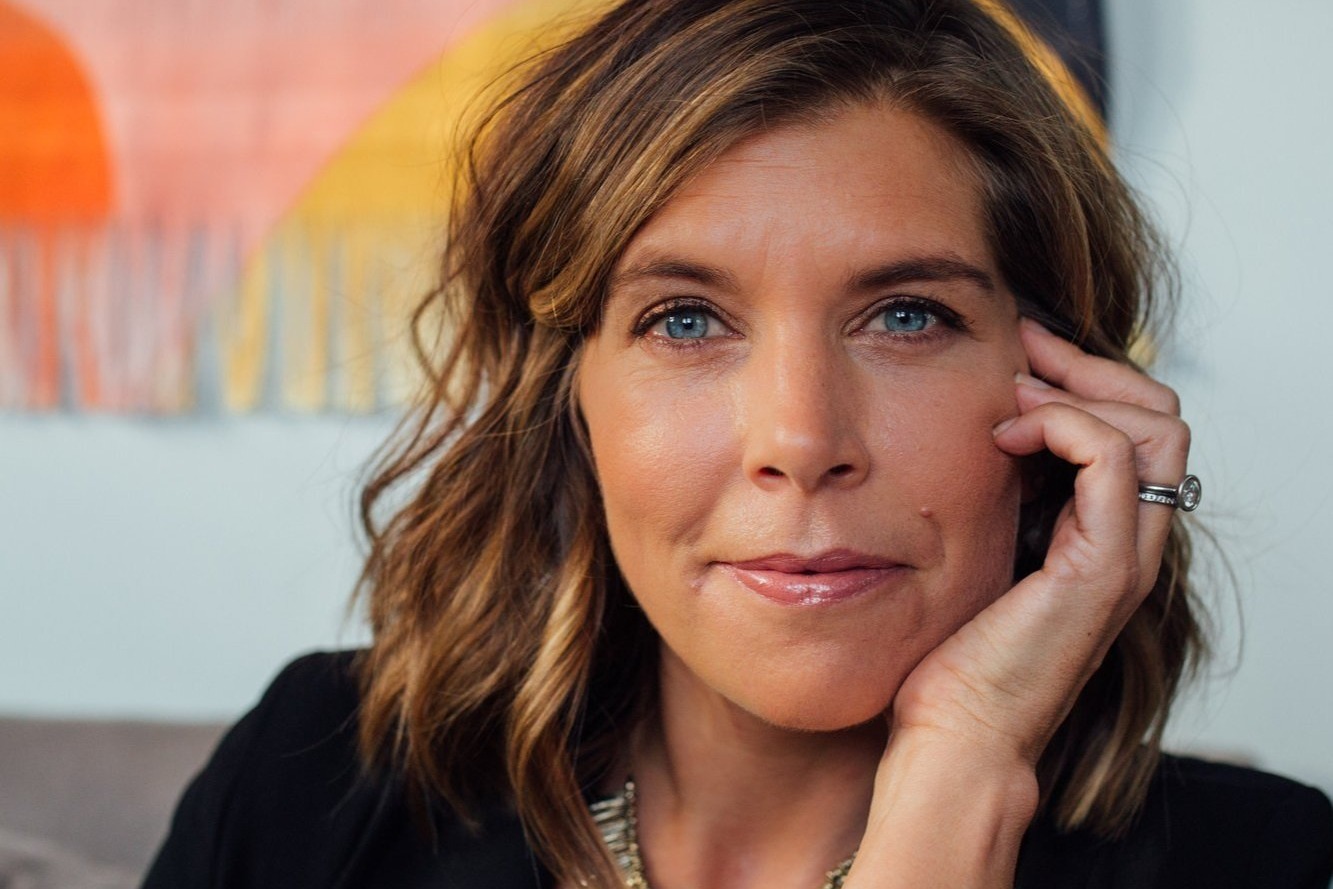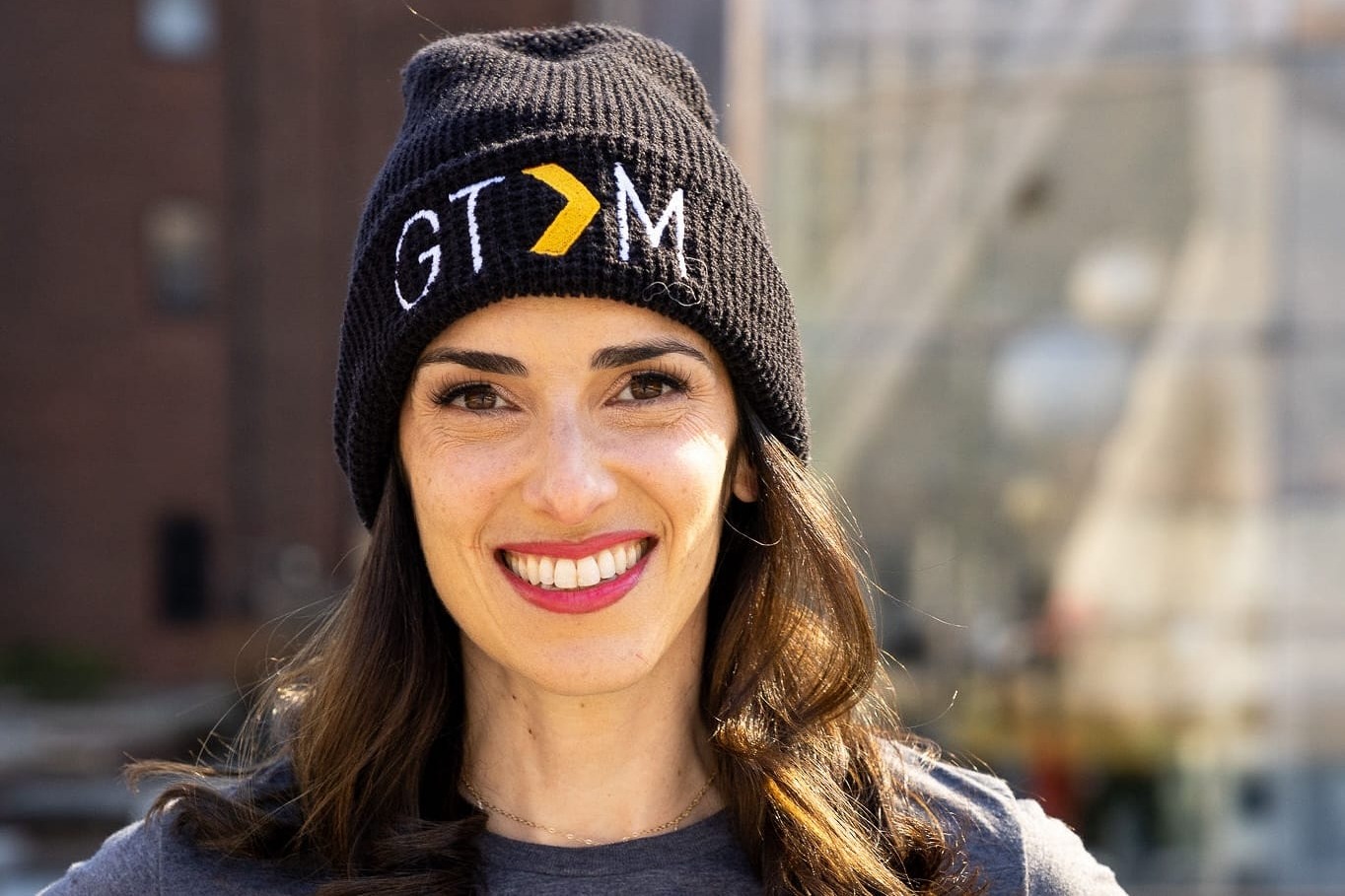
Katrina Padron has spent more than two decades in marketing, but her message today is a deliberate rejection of the industry she grew up in: stop hustling, start partnering. As the founder of Wake Me Up When I Am Famous, she shows founders how to borrow audiences, credibility and pipeline through strategic partnerships instead of buying attention one ad at a time. This profile traces how a master's degree in sociology, a seven-figure marketing agency and two podcasts became one of the clearest arguments for growth without the grind.
Table of Contents
- Who Is Katrina Padron?
- From a Sociology Degree to a Seven-Figure Agency
- Why Partnerships Beat the Hustle
- How She Builds Partner Programs That Scale
- Podcasts and Thought Leadership
- Lessons Founders Can Learn from Katrina Padron
- Frequently Asked Questions
- Conclusion
- Sources
Who Is Katrina Padron?
Katrina Padron is an American marketing strategist based in Evergreen, Colorado, and the founder of Wake Me Up When I Am Famous, a consultancy that designs partner programs for founders who want pipeline without burnout. She began her marketing career in 2004, earned a master's degree in sociology from DePaul University, and has served as founder and CEO of the digital marketing agency North Star HQ since June 2011. Her official bio lists 19+ years of experience, and her agency carries WBENC women's-business certification.
Her track record is unusually quantified for a solo consultancy: she reports driving $10.9 million in revenue for a single software client through a global partner network, presenting marketing technology to 38 billion-dollar brands, and speaking on national stages to more than 500 people. Independent listings corroborate the agency's foundations — Clutch, the B2B ratings platform, shows North Star HQ founded in 2011 in Evergreen, Colorado, with 2 to 9 employees and project minimums starting at $5,000 (Clutch profile, verified 2026). In other words, this is a small firm that has spent 15 years punching above its weight.
From a Sociology Degree to a Seven-Figure Agency
Katrina Padron built North Star HQ from zero to a seven-figure agency in roughly five years, bootstrapping the company while working out of the emerging social media marketing wave of the late 2000s. Her sociology training, she says, is the thread running through everything: understanding human behaviour is what makes marketing work, whether the channel is a party line, a dial-up modem or a partner ecosystem.
Along the way she became a serial builder. She wrote the book Ideas Worth Stealing: 42 Social Media Strategies to Build a Brand, Create an Audience and Increase Sales, developed thought leadership on Social Media Today and Social Media Examiner, and in 2019 partnered North Star HQ with the University of Denver's Consumer Insights and Business Innovation Center to study how technology companies generate and convert leads. The research concluded that technology companies seriously underestimate their marketing needs, and it led her team to launch The Lead Pilots, a LinkedIn lead-generation tool, in October 2019.
She also founded, grew and exited a cloud-based, end-to-end solution for real estate transactions — Get Happy Agent, which still operates today as a remote transaction-coordination service. Her client roster spans global software brands including Autodesk, Altium and Dassault, and she claims a $10.9 million revenue win for one software client built entirely on partnerships. The common denominator across these ventures is not a tactic but a discipline: find where the audience already trusts someone, and plug into it.
Why Partnerships Beat the Hustle
Partnerships beat hustle because they let a company start the sale warm: a partner hands you an audience that already trusts them, so you skip the exhausting convince-and-convert game and multiply reach without multiplying ad spend. That is Katrina Padron's core thesis, and the market data supports it.
First, the burnout math. Gallup found that in the fourth quarter of 2025, 31% of U.S. women employed full time said they very often or always feel burned out at work, compared with 23% of men (Gallup, Employee Wellbeing and Sustainable Productivity). For female founders — who are disproportionately represented in the audience for this magazine — the grind is not a badge, it is a business risk. Second, the revenue math: Forrester's 2025 partner ecosystem research found that 67% of surveyed B2B decision-makers plan for indirect revenue, transacted through partners, to grow more than 30% year over year.
Third, the compounding math. Research published by Harvard Business Review in June 2024, based on more than 41 million customers, found that customers who arrived through a referral make 31% to 57% more referrals themselves than customers acquired any other way. An older but equally cited study tracking roughly 10,000 customers at a German bank put the value of a referred customer at least 16% higher than a comparable non-referred one. Partnerships are not a softer form of selling; they are a measurably more efficient one.
How She Builds Partner Programs That Scale
Katrina Padron turns partnership marketing into a repeatable four-step system: a 15-minute fit call, a deep dive that maps the business and spots partner opportunities, a custom program designed around the founder's goals, and a launch. The process is published openly on the Wake Me Up When I'm Famous website, and it deliberately removes the guesswork that stops most founders from ever starting.
The opportunity is large and still under-served. The State of Partnerships 2025 survey report found that over 60% of respondents expect partnerships to drive between 11% and 50% of company revenue, while only 14.6% use purpose-built partner technology and over 50% report no or insufficient budget for growth. The same report found 57.3% of teams expect partnerships to reduce customer acquisition costs and 62.2% expect them to deliver co-marketing or co-selling savings. In short: most companies believe partners will carry a double-digit share of revenue, and most are running the function on spreadsheets.
Padron's own answer to that gap is a curated network — she publicly shares access to a list of 1,672 creators ready to promote a brand — plus the discipline of borrowing trust rather than manufacturing it. Where a founder might spend a year building an audience from scratch, a partner program plugs into audiences that already exist, already convert, and already cost something to build — just not by you.
Podcasts and Thought Leadership
Katrina Padron uses podcasts as her distribution engine: she built an audience of 20,000 listeners with #StandingOut, an interview series for entrepreneurs and investors, and launched a second show, Wake Me Up When I'm Famous, so founders can learn to grow without the grind. Both shows feed the same flywheel — conversations become relationships, relationships become partnerships, partnerships become pipeline.
She chose the right medium. Edison Research's The Podcast Consumer 2025 reports that 158 million Americans aged 12 and older are monthly podcast listeners — 55% of the population — and 115 million listen every week, spending 773 million hours per week with podcasts, a 355% increase over 2015. Weekly listening time has grown by 603 million hours in a decade. For a founder selling expertise rather than a commodity, a show is no longer a vanity project; it is one of the few channels where attention still compounds.
Lessons Founders Can Learn from Katrina Padron
Founders should steal three habits from Katrina Padron: schedule everything, treat partners as a channel, and show up consistently. Her stated productivity rule is blunt — "if it's not scheduled, it doesn't exist" — and her calendar, not her willpower, does the heavy lifting, protecting school hours for deep work and keeping two mornings a week for adult gymnastics.
The second lesson is structural. Treat partnerships the way you treat paid acquisition: with a target, a pipeline, a partner list and a review cadence. Referral and partner channels can generate as much as 20% of new revenue each year, according to impact.com's State of Referral Marketing Report 2024, yet most founders still treat them as a favor they ask occasionally instead of a motion they run weekly. The third lesson is visibility — Padron's own advice to her younger self is to stop sweating the small stuff and show up anyway. Founders such as Victoria Repa of BetterMe and Kristy Kim of TomoCredit built category-defining brands the same way: consistent presence, borrowed credibility, patient compounding. If you want the leadership version of that playbook, our roundup of leadership lessons every woman executive should embrace is a good companion read, and Cydnee DeToy's career-coaching work covers the personal-brand side of showing up.
Frequently Asked Questions
Who is Katrina Padron?
Katrina Padron is the founder of Wake Me Up When I Am Famous, a partnership-marketing consultancy, and the founder and CEO of the digital marketing agency North Star HQ since 2011. Based in Evergreen, Colorado, she has worked in marketing since 2004 and holds a master's degree in sociology from DePaul University.
What does Wake Me Up When I Am Famous do?
It designs and launches partner programs for founders. The engagement runs in four steps — fit call, deep dive, custom plan and launch — and focuses on borrowing established audiences and credibility so a business can grow pipeline without increasing ad spend or working hours.
How did Katrina Padron build a seven-figure agency?
She bootstrapped North Star HQ from zero to seven figures in about five years, starting as an early adopter of social media marketing, then expanding into lead generation, marketing technology and partnership programs for global software brands such as Autodesk, Altium and Dassault.
Why are partnerships better than traditional advertising?
Because partners transfer existing trust. Forrester's 2025 research found that 67% of B2B decision-makers expect indirect, partner-driven revenue to grow by more than 30% year over year, and referred customers are worth at least 16% more than comparable non-referred customers in long-run studies. Warm audiences convert cheaper than cold ones.
How large is Katrina Padron's podcast audience?
Her earlier interview show, #StandingOut, reached an audience of 20,000 listeners. She followed it with Wake Me Up When I'm Famous, focused on partnership-led growth, at a moment when 158 million Americans listen to podcasts every month, according to Edison Research's 2025 report.
How can I start a partner program as a small business?
Start narrow: list 20 people or companies who already serve your exact customer, define one offer you can co-deliver, and run it as a scheduled weekly motion rather than a favor. Treat it like any acquisition channel — target, pipeline, follow-up, review — and expand only after the first partnerships produce measurable revenue.
Conclusion
Katrina Padron's career is proof that the opposite of hustle is not laziness, it is design. From a seven-figure agency built in five years to a $10.9 million partnership win and two podcasts, she has spent two decades showing that borrowed trust, scheduled work and patient presence beat rented attention and 80-hour weeks. For founders who want pipeline without burnout, her playbook is refreshingly concrete: find the audiences that already trust someone, build the relationship, and let the partnership do the convincing.
Sources
- IdeaMensch, Katrina Padron — Founder of Wake Me Up When I Am Famous (interview published January 2025).
- Katrina Padron, katrinapadron.com — official biography and career milestones (accessed November 2026).
- Wake Me Up When I'm Famous, wakemeupwhenimfamous.com — four-step partner program process (accessed November 2026).
- North Star HQ, northstarhq.com — agency positioning and services (accessed November 2026).
- PR Newswire, The Lead Pilots Solves Lead Generation Problem for B2B Companies, October 14, 2019.
- PR Newswire, North Star HQ, Denver University Research Findings, August 22, 2019.
- Clutch, North Star HQ profile — founded 2011, Evergreen, Colorado (verified 2026).
- Gallup, Employee Wellbeing and Sustainable Productivity — burnout by gender, Q4 2025.
- Forrester, The State of Partner Ecosystems in 2025.
- The State of Partnerships 2025 — survey results report (partnership channel benchmarks, 2025).
- Harvard Business Review, Research: Customer Referrals Are Contagious, June 2024.
- Schmitt, Skiera & Van den Bulte, Referral Programs and Customer Value, Journal of Marketing Research, 2011.
- Edison Research, The Podcast Consumer 2025.
- impact.com / SaaSquatch, The State of Referral Marketing Report 2024.
- LinkedIn, Katrina Padron — career history (accessed November 2026).