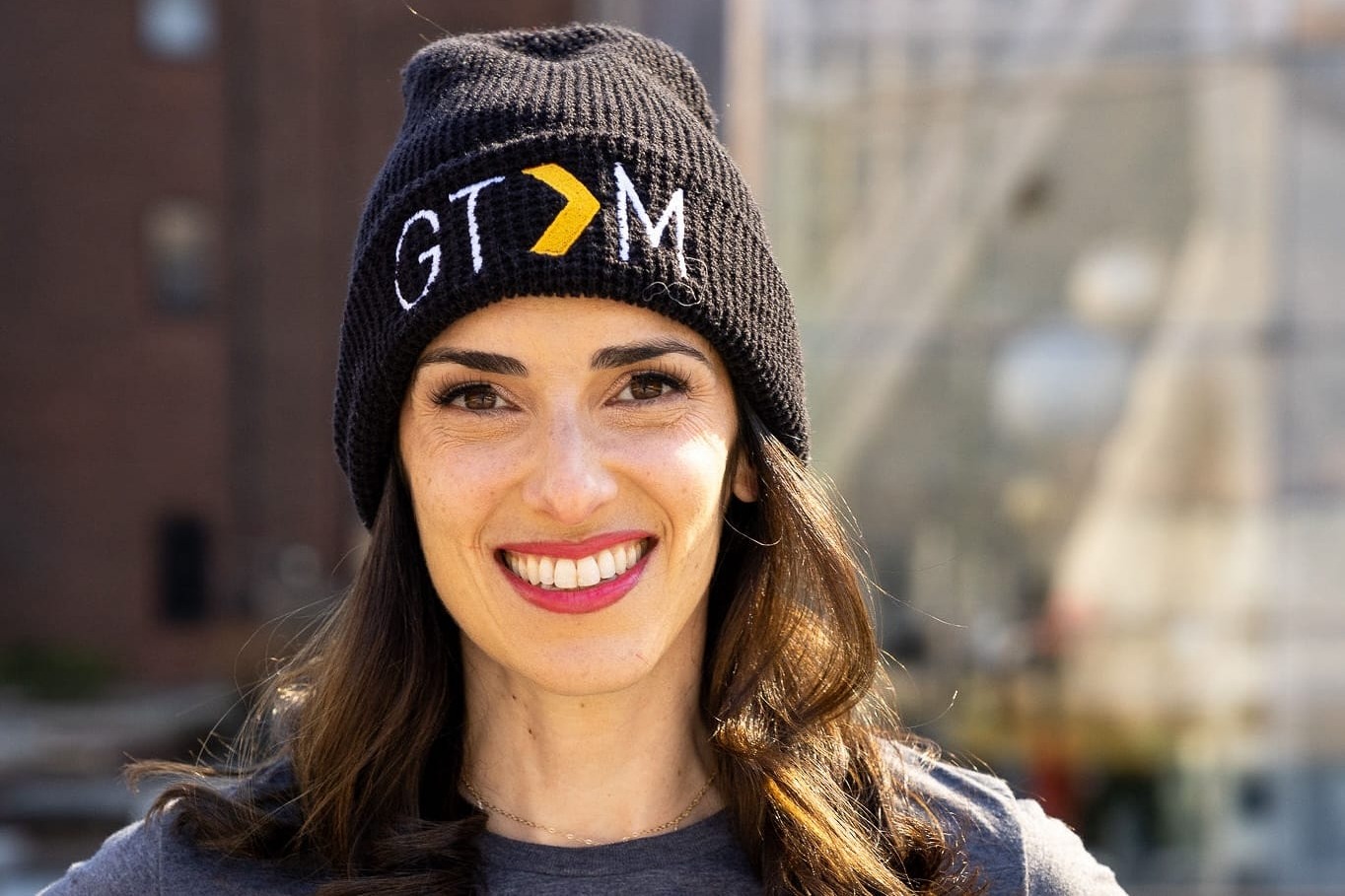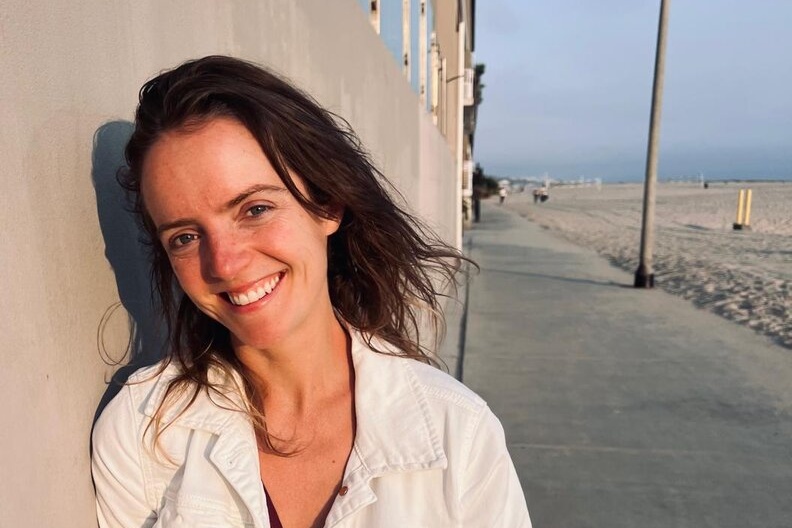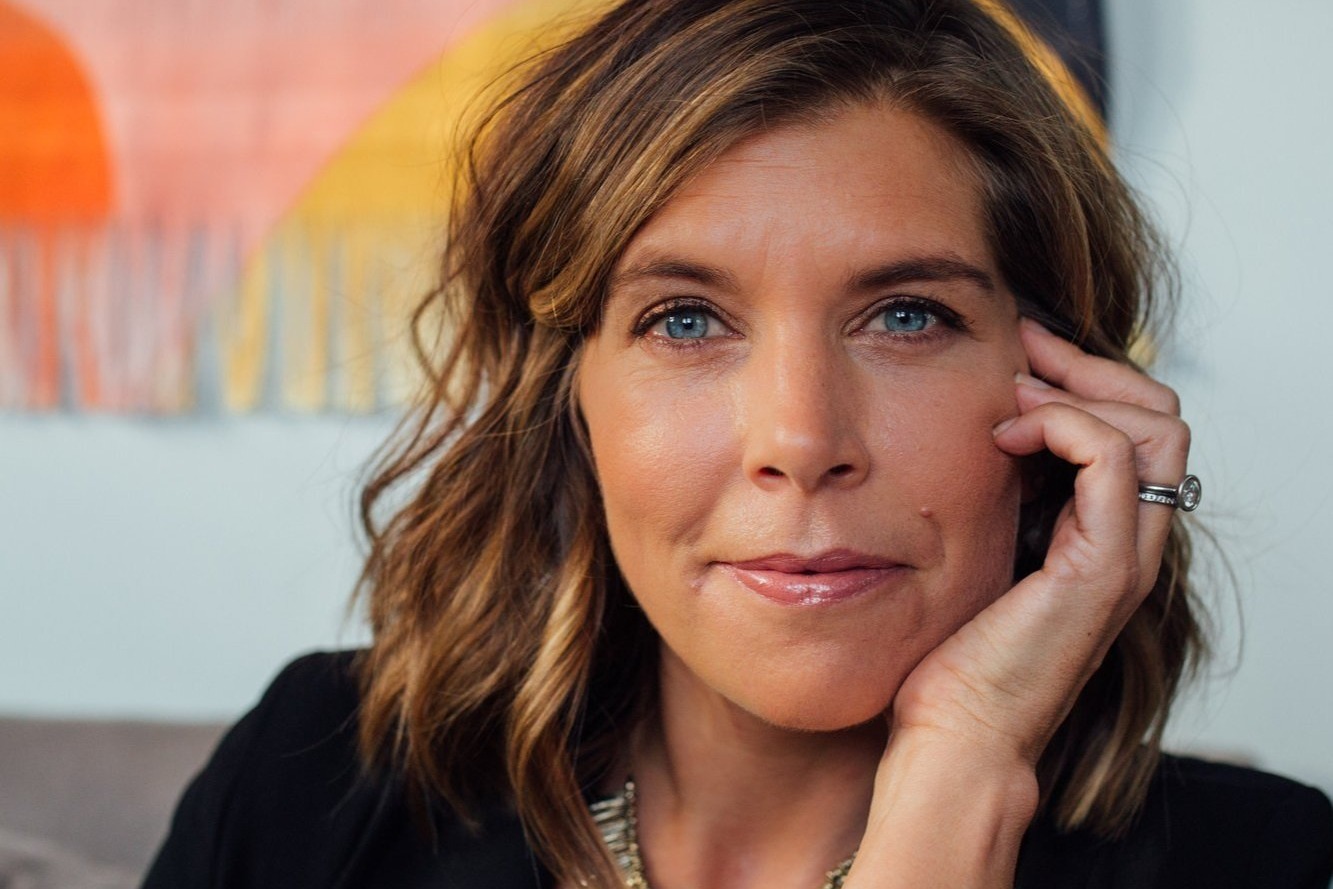
When Shannon Salentine left a two-decade career in international public health to become an executive coach, she was not walking away from a profession — she was doubling down on a belief she had tested in the field: that people doing the hardest work in the world deserve far better support than they usually get. Today she is the founder and CEO of Lead for Good, a leadership and team coaching company for changemakers and the organisations they work for, a founding partner of the women-led Aurora Collective, and the host of the Field Notes from the Future podcast.
Based in Durham, North Carolina, Salentine has spent more than 20 years working alongside multinational teams striving to improve the health and well-being of underserved communities in Africa, the Eastern Caribbean, and Central Asia. This success story unpacks how she turned that field experience into a solo professional-services business, why she deliberately built it around relationships instead of advertising, and what other women founders can borrow from her playbook.
Table of Contents
- A 20-Year Career in Global Health
- Why She Founded Lead for Good
- How She Grows the Practice One Relationship at a Time
- Credentials and Coaching Method
- Lessons for Founders
- Frequently Asked Questions
- Conclusion
- Sources
A 20-Year Career in Global Health
Shannon Salentine spent over 20 years in public health and global development before she ever called herself an entrepreneur. At one point she directed a project with more than 60 staff, assigned to 10 different teams, working across eight countries — the kind of operating environment where a leader must align people to a common vision while the ground keeps shifting under them. She lived and worked throughout Africa, the Eastern Caribbean, and Central Asia, establishing and scaling teams, fostering local leadership, aligning resources, and streamlining systems so that measurable impact could be sustained.
That decade-spanning experience is what makes her transition credible. Salentine did not discover coaching through a weekend course; she became a coach because the same problems kept appearing in every country she worked in: talented, mission-driven teams burning out, losing focus, and holding themselves to standards no system was helping them meet. The coaching profession she has joined is a large and fast-growing one — the International Coaching Federation's 2025 Global Coaching Study counted a record 122,974 coach practitioners worldwide, up 13% from the previous study, generating an estimated $5.34 billion in annual revenue.
Why She Founded Lead for Good
Shannon Salentine founded Lead for Good because she believes society does not do enough to support the people who have chosen to make a difference, and she wanted to build the support system she had seen missing. Lead for Good is a leadership and team coaching company created to champion changemakers with a clear vision, practical tools, and habits that let them do the work they want to do without burning out, losing out on life experiences, or compromising their integrity. She launched the company as her flagship venture while continuing to run Shannon Salentine LLC, the Durham-based practice she established in November 2018.
The bet paid off in a market that rewards measurable outcomes. Employers and organisations increasingly treat coaching as infrastructure rather than a perk: industry analyses drawing on ICF and PwC data put the average return on coaching investment at roughly seven times the initial spend, and the average one-hour session rate at about $234. For a solo founder selling to purpose-driven organisations, that combination of demonstrated return and defensible pricing is what turns a personal service into a durable business.
How She Grows the Practice One Relationship at a Time
Salentine grows Lead for Good through a deliberate relationship system rather than social-media reach. Her stated strategy is simple and repeatable: keep track of everyone she speaks with, and when she genuinely connects with someone she thinks she could help, propose a specific way to work together. The proposals are not flashy or high-revenue by design — they are built to offer exactly what the other party needs, which is why they convert.
Two operating habits protect the practice. First, she blocks Mondays as a call-free day used to update finances, review the business development plan, and line up meetings for the week — the unglamorous admin that keeps a one-woman firm solvent. Second, she outsources what no longer energises her: after spending far too much time on her own website, social media, and marketing, she accepted that these were neither her strengths nor her joys and set aside an ongoing budget for web and marketing support instead. Her revenue reality sits alongside an industry in which the ICF estimates average annual earnings of $49,283 per coach practitioner, a figure that makes disciplined pricing and steady client flow non-negotiable.
Credentials and Coaching Method
Shannon Salentine's coaching method rests on formal credentials plus unusual field range. She is a Professional Coach Credential (PCC) holder with the International Coaching Federation and a Certified Professional Co-Active Coach (CPCC) from the CoActive Training Institute, widely regarded as the most rigorous programme in the industry, with additional certification in the Leadership Circle Profile and the Emotional and Social Competency Intelligence Inventory. Her academic foundation is a Master of Public Health in International Health and Development from Tulane University.
She layers neuroscience of coaching, embodied coaching, mindful meditation, and anti-racism training onto that core, and she has facilitated leadership programmes across six continents. The credential ecosystem matters commercially: the ICF, founded in 1995, is the profession's accreditation body with more than 62,000 members in over 150 countries, and clients screening for a coach look for exactly those signals of verified training. Salentine pairs them with a track record that cannot be certified on paper — two decades of leading purpose-driven teams under real constraints.
Lessons for Founders
The transferable lesson from Shannon Salentine's success story is that expertise earned in a demanding career becomes a defensible consulting product when it is packaged around a clear client problem. She did not monetise "public health"; she monetised the recurring leadership failures she had spent 20 years solving, and named the company after the outcome her clients want: leading for good. That clarity of positioning is the same discipline visible in other founders covered by this magazine, from Jasz Joseph, who rebuilt an agency around a burned-out director's hard-won boundaries, to Amanda Gravitis, who translated transformational leadership into healthcare innovation, and Ellie Hearne, who grew a culture-first consultancy past its own growth crisis. That clarity matters in a crowded field: the United States alone counts 34,200 certified coaches, roughly 28% of the global coaching population, so a generic promise blends in while a sharply named problem does not.
Her second lesson is patience with distribution. Salentine openly describes her own failure — over-investing in website polish and social media — and her correction was to buy back her time with a budget instead of her evenings. Her third is boundaries as a product feature: Mondays without calls, proposals sized to what the client actually needs, and a refusal to say yes to everything, all of which keep the founder of a service business healthy enough to serve clients who are, by definition, under pressure.
Frequently Asked Questions
Who is Shannon Salentine?
Shannon Salentine is an executive coach, speaker, and leadership consultant based in Durham, North Carolina, and the founder and CEO of Lead for Good. She has more than 20 years of experience in public health and global development, working with multinational teams across Africa, the Eastern Caribbean, and Central Asia.
What is Lead for Good?
Lead for Good is a leadership and team coaching company for changemakers and the organisations they work for, founded by Shannon Salentine. It helps purpose-driven leaders align their teams to a common vision, streamline systems, and sustain performance without burning out.
What credentials does Shannon Salentine hold?
She holds a Professional Coach Credential (PCC) from the International Coaching Federation, a Certified Professional Co-Active Coach (CPCC) designation from the CoActive Training Institute, and certification in the Leadership Circle Profile and the Emotional and Social Competency Intelligence Inventory. She also holds a Master of Public Health in International Health and Development from Tulane University.
Where is Shannon Salentine based?
Shannon Salentine is based in Durham, North Carolina, where she works from home and a downtown office. From there she partners with organisations throughout the United States and abroad, and she has facilitated leadership programmes across six continents.
How did she start her coaching business?
Salentine established Shannon Salentine LLC in November 2018 and launched Lead for Good as her flagship coaching company, growing both through a one-to-one relationship system rather than paid advertising. She credits clear financial forecasting, an insistence on only taking work she wants to do, and outsourcing tasks that drain her with getting the practice through its early years.
What does her coaching focus on?
Her coaching focuses on leaders and teams in global health, social impact, and other purpose-driven fields, combining co-active coaching practice with systems thinking, the neuroscience of coaching, and mindfulness. She works one-on-one with individuals and teams to diagnose functionality, align to a common purpose, and build the resilience needed to sustain demanding work.
Conclusion
Shannon Salentine's route from field health worker to founder of a coaching company is a template for expertise-led businesses: she named the problem she had solved for 20 years, built a company around the outcome her clients wanted, and protected her own capacity with systems rather than willpower. Lead for Good is small by design and specific by design, which is precisely why it has lasted and why her advice — track the relationships, outsource the drain, keep the Mondays clear — travels well beyond coaching.
Sources
- IdeaMensch interview — Shannon Salentine, Founder of Lead for Good
- Shannon Salentine — About (shannonsalentine.com)
- Lead for Good — Shannon Salentine, MPH, PCC, CPCC
- ICF 2025 Global Coaching Study — Executive Summary
- Personify — Coaching Statistics 2026 (citing ICF and PwC data)
- Aurora Collective — Field Notes From the Future
- Public Health Epidemiology Conversations podcast, episode 253 — Mindset and Entrepreneurship in Public Health
- Everyday Leader Podcast — Shannon Salentine bio